Billy wallson
Senior DirectorA warm mug, a quiet room, and a few minutes of intention can turn the end of the day into something you look forward to.
Most people who lose money at online casinos don't lose it because the games are rigged. They lose because they never learned what they're actually up against. That distinction matters. The math behind slots, poker, and sports betting is public, regulated, and remarkably consistent — and once you understand it, you stop viewing the whole hobby as a coin flip and start treating it like what it is: a form of entertainment with a predictable cost.
I'm going to walk you through how these games actually work, where the money quietly drains out of your account, and what separates players who last for years from those who blow their balance in a weekend.
Slots get dismissed as mindless, but they're the most honest games in the building in one specific way: every machine publishes a Return to Player (RTP) percentage, and at scale that number is essentially a guarantee. Many readers start with สล็อต when comparing options.
Take a typical online slot with 96% RTP. Over millions of spins, the casino keeps roughly €4 for every €100 wagered. That 4% is the house edge, and it doesn't care whether you've been spinning for ten minutes or ten hours.
Here's where players get it wrong:
A slot with 95% RTP and 30x stake spins will burn through a €200 balance faster than most people expect. Do the mental math before you deposit, not during a losing streak.
Poker is the only game on this list where a good player can legitimately beat the field. That doesn't mean it's easy. It means the opponent is other players, not the house — except the house still takes a cut, and that cut determines whether winning is realistic at a given stake.
Rake is the fee a poker room or casino takes from every pot. At micro-stakes online, rake commonly sits around 5% capped at a small amount. At live low-limit tables, it's often 10% capped at a higher number. The higher the rake relative to the pot, the harder it is for anyone at the table to profit.
Practical implications:
Tournament poker is a different animal — you pay a fixed buy-in plus a fee, and the house takes nothing additional. That fee is a known cost, which makes tournaments easier to model than cash games.
If you want to know how much a bookmaker thinks a market is worth, look at the overround. A fair line on a two-way market would offer +100 on each side. In practice, you'll see something like -110/-110, meaning you need to win 52.4% of the time to break even despite a coin-flip outcome.
That 2.4% gap is the bookmaker's margin, and it's the single biggest obstacle facing casual bettors.
What actually helps:
None of this means you can't win. Sharp bettors do, but they build their edge on data, discipline, and taking closing line value seriously — not gut feelings on a Saturday afternoon.
Every profitable or long-term-surviving gambler has one thing in common: a defined bankroll separate from rent, groceries, and savings. Not a number pulled out of thin air — an actual figure you're willing to lose entirely without it touching your life.
A reasonable framework most calculators converge on:
The moment you start chasing losses — adjusting your bets upward to recover a bad run — you've moved from gambling to something closer to panic spending. Stop, close the tab, come back tomorrow.
Licensed operators in jurisdictions like Malta, the UK, Gibraltar, and most EU-regulated markets aren't choosing to be fair out of goodwill. They're audited. Their RNGs are tested, their payout rates are tracked, and their terms come with real enforcement behind them.
An unlicensed casino can claim 99% RTP on its homepage and pay out whenever it feels like it. A licensed one posting a 95% RTP is legally bound to that number, within statistical tolerance. The difference isn't abstract — it's the difference between losing slowly with transparent odds and losing unpredictably based on someone else's mood.
iGaming isn't rigged, and it isn't a guaranteed path to anything either. It's a mathematically defined product where the house has a small, consistent edge and where player skill — in poker, in bet selection, in bankroll discipline — moves that edge by a few percentage points at most.
The players who genuinely enjoy this space long-term aren't the ones chasing a jackpot. They're the ones who understand the cost of the ticket, set the limits before the session, and treat variance as a feature rather than a personal insult. Learn the RTP on your favorite slot, look at the rake on your poker table, check the overround on your sportsbook, and the whole thing becomes a lot less mysterious — and a lot more manageable.
Build a welcoming fall tablescape with pumpkins, citrus accents, and candlelight in under an afternoon.

Swap a few objects, add a touch of seasonal color, and your bookshelf can feel brand new without a trip to the store.
Turn an overlooked corner into a soft, sunlit spot for coffee, toast, and unhurried starts.
Pair zesty orange and lemon accents with soft creams for a bright, breathable spring look.

A warm mug, a quiet room, and a few minutes of intention can turn the end of the day into something you look forward to.

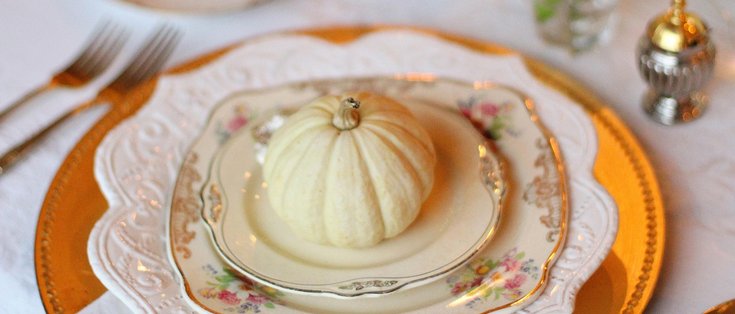
Build a welcoming fall tablescape with pumpkins, citrus accents, and candlelight in under an afternoon.

Copyright © 2026 Clementine Corner. All Rights Reserved.




Roseanne Williams
Sep 4, 2026 ReplyDiscover how to weave soft orange, honeyed yellow, and blush tones into every room without overwhelming your space.