Billy wallson
Senior DirectorA warm mug, a quiet room, and a few minutes of intention can turn the end of the day into something you look forward to.
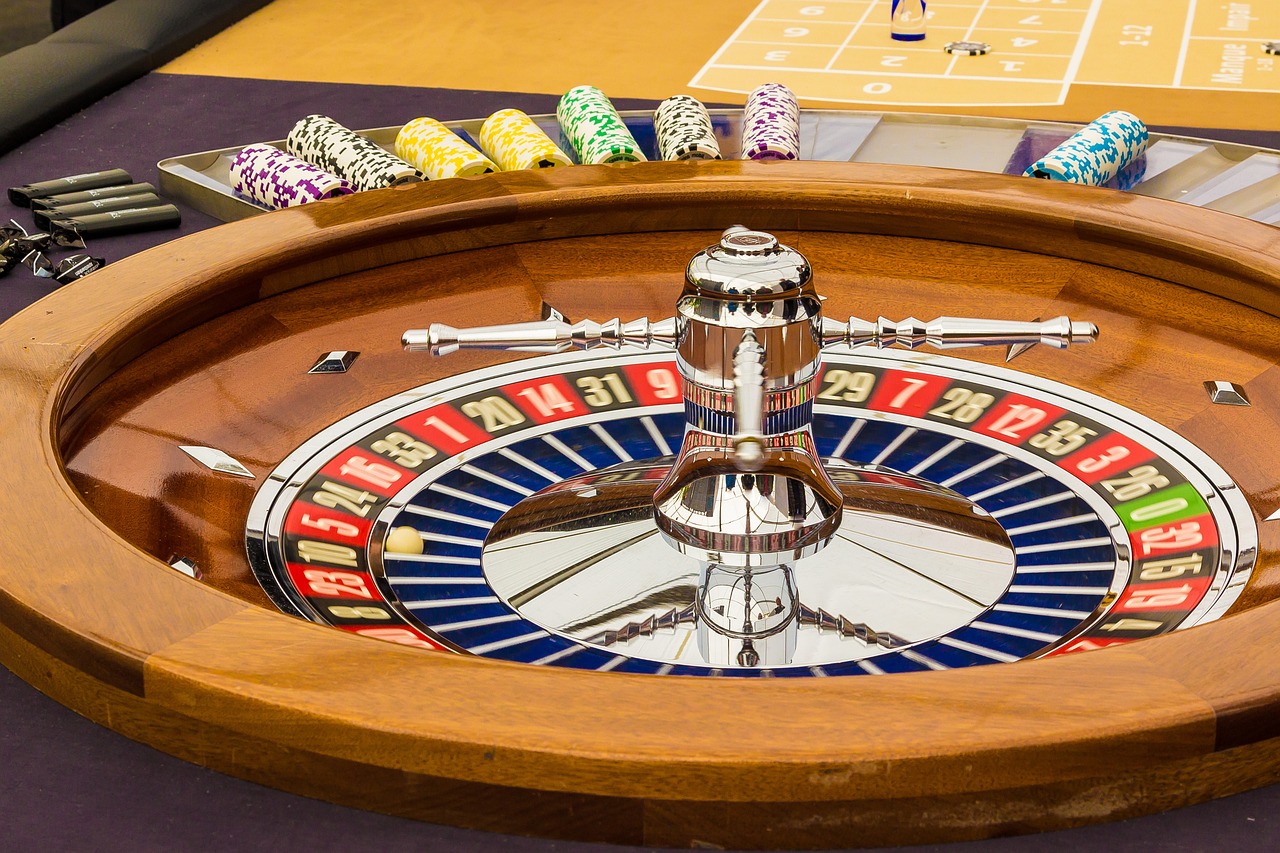
You’ve seen the flashy ads and the million-dollar jackpot headlines. But behind the neon glow, iGaming is a multifaceted ecosystem where luck, skill, and psychology collide. Whether you’re spinning slots at 2 a.m., grinding a poker tournament, or analyzing football stats, the difference between a casual player and a sharp one often comes down to approach. This isn’t about guaranteed wins—no such thing exists. It’s about understanding the mechanics, managing your bankroll, and knowing when to walk away. Let’s cut through the noise and talk about what actually matters.
Modern slots are engineering marvels. A single game can have millions of possible outcomes, driven by a random number generator (RNG) that cycles thousands of times per second. That means every spin is independent—no “hot” or “cold” streak exists. But that doesn’t mean all slots are created equal. The key metric is Return to Player (RTP), a percentage indicating how much a game pays back over millions of spins. For example, a slot with 96% RTP returns $96 for every $100 wagered, on average. Avoid games below 94% if you want a fighting chance.
Volatility is the other lever. Low-volatility slots pay small amounts frequently, ideal for stretching a bankroll. High-volatility slots are a rollercoaster: long dry spells punctuated by massive wins. If you have a $50 budget and want a few hours of play, low volatility is your friend. If you’re chasing a jackpot, high volatility might be your ticket—but be prepared for swings.
Unlike slots, poker is a game of decisions. You play against other people, not the house. The house takes a rake—a small cut of each pot—but your profit comes from outplaying opponents. That’s why the same players consistently win: they understand position, pot odds, and player tendencies.
Position is everything. Acting last gives you information. If you’re on the button (the dealer position), you see what everyone does before you act. That’s a massive edge. Play tighter in early position, looser on the button. It’s that simple, yet most amateurs ignore it.
Bankroll management is the unsung hero. A common rule: never buy into a cash game for more than 5% of your dedicated poker bankroll. For tournaments, keep it under 2%. If you have $1,000 for poker, you can comfortably play $50 buy-in tournaments or $0.50/$1 cash games. This prevents a bad beat from wiping you out.
Online poker removes physical tells, but timing tells remain. A quick call often means a draw or weak hand. A long pause before a raise? Usually strength. Also, use tracking software like PokerTracker or Hold’em Manager—if allowed by the site. It logs every hand, showing you exactly how often an opponent folds to a 3-bet or c-bets the flop. Data beats gut feeling.
Sports betting has exploded, but most bettors lose because they bet with their hearts. The sharp bettors treat it like investing. They look for value—when the implied probability of an outcome is lower than the actual probability. For instance, if a team has a 50% chance to win but the odds imply only 40%, that’s a value bet. We found สล็อต to be a handy reference here.
Line movement is a tell. If a line opens at -3 and moves to -6, heavy money is on that side. That doesn’t guarantee a win, but it tells you what the market thinks. Combine that with your own research—injuries, weather, travel schedules—and you can find spots where the public overreacts.
Bankroll rules apply here too. Flat betting (same amount on every play) is safer than chasing losses. A 1-2% unit size per bet keeps you in the game. And never, ever bet on your favorite team just because you love them. Emotional betting is the fastest route to the poorhouse.
If you take one thing from this article, make it this: bankroll management is non-negotiable. It doesn’t matter how good you are at poker or how well you read odds. Without discipline, variance will crush you.
Here’s a simple framework that works for any iGaming activity:
This framework won’t make you a millionaire, but it will keep you in the game long enough to learn and improve.
iGaming is a legal, regulated industry in many jurisdictions, but not everywhere. Before depositing a cent, check if the casino or sportsbook is licensed by a reputable authority like the Malta Gaming Authority, UK Gambling Commission, or Curacao eGaming. Licensed sites use SSL encryption, offer fair dispute resolution, and adhere to responsible gambling tools like deposit limits and self-exclusion.
Red flags? Unlicensed sites, no terms and conditions, pressure to deposit quickly, and bonuses with impossible wagering requirements (e.g., 50x the bonus amount). A good rule: if a bonus looks too good to be true, it is. Read the fine print. Always.
Also, avoid “guaranteed win” systems or paid tipsters. No one can predict a slot spin or a poker flop. Anyone selling certainty is selling you a fantasy.
iGaming is entertainment, first and foremost. The moment it stops being fun, stop playing. The sharpest players I know treat it like a hobby with a side of competition—not a get-rich-quick scheme. They study, they manage risk, and they accept that losing is part of the process. Slots will give you adrenaline. Poker will give you mental chess. Sports betting will give you a reason to watch a mid-table Premier League match on a Tuesday night. But none of it is a salary. Play smart, play within your means, and enjoy the ride. The edge is real—but it’s earned, not given.
Build a welcoming fall tablescape with pumpkins, citrus accents, and candlelight in under an afternoon.

Swap a few objects, add a touch of seasonal color, and your bookshelf can feel brand new without a trip to the store.
Turn an overlooked corner into a soft, sunlit spot for coffee, toast, and unhurried starts.
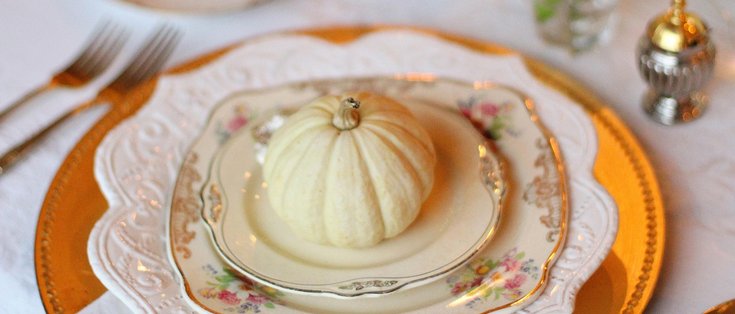
Pair zesty orange and lemon accents with soft creams for a bright, breathable spring look.

A warm mug, a quiet room, and a few minutes of intention can turn the end of the day into something you look forward to.

Build a welcoming fall tablescape with pumpkins, citrus accents, and candlelight in under an afternoon.

Copyright © 2026 Clementine Corner. All Rights Reserved.




Roseanne Williams
Sep 4, 2026 ReplyDiscover how to weave soft orange, honeyed yellow, and blush tones into every room without overwhelming your space.