Billy wallson
Senior DirectorA warm mug, a quiet room, and a few minutes of intention can turn the end of the day into something you look forward to.
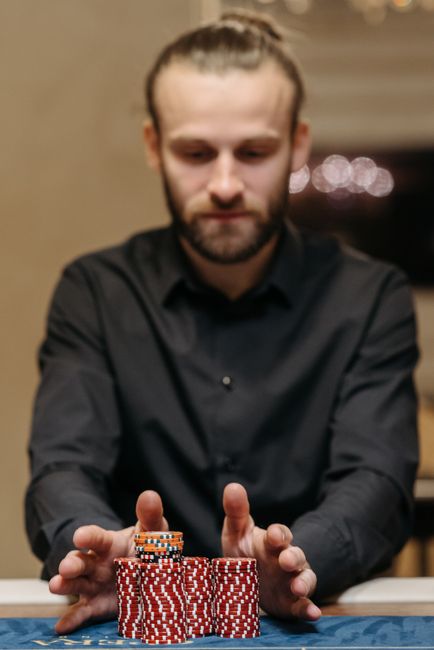
Every casino floor is built on a simple truth: the math favors the house. That doesn't stop millions of people from pulling up a chair, loading a slot, or firing up a poker table every single day. And honestly, that's fine — as long as you understand what you're actually walking into. The gap between a recreational player who enjoys a night out and a frustrated punter who can't figure out why his bankroll keeps vanishing usually comes down to one thing: knowing the difference between entertainment and income.
Let's dig into the realities of iGaming in 2024, from the mechanics that decide who wins to the habits that separate disciplined players from the ones who blame the software.
If you take one concept away from this article, make it house edge. It's the mathematical advantage the casino holds on every bet, expressed as a percentage of your total wager over time. It doesn't care about your gut feeling, your lucky ritual, or the fact that you're "due" for a win.
Here's what the house edge looks like across common games:
That last point is why poker attracts a different breed of player. In poker, you're not fighting the house — you're competing against humans who make mistakes. The rake is a tax, not a death sentence. In everything else, you're mathematically renting entertainment, and the price is baked into the odds. Many readers start with OK68 when comparing options.
Slots generate roughly 70-80% of casino revenue worldwide. They're fast, loud, and require zero skill, which is exactly why they're so profitable. Each spin is an independent event, and modern online slots use certified random number generators audited by third parties like eCOGRA or iTech Labs.
The metric that actually matters on a slot is RTP — return to player. A 96% RTP slot returns $96 for every $100 wagered over millions of spins, on average. That sounds decent until you realize it means a 4% house edge on a game you might spin 600 times an hour. Combine that with volatility, and you get two very different experiences:
Smart slot players hunt for high RTP (96.5%+), pick volatility that matches their budget, and check whether the game has been independently audited. They also set a session limit before they spin, not after they've burned through two hundred bucks chasing a bonus round.
Sports betting is the one corner of iGaming where a genuinely skilled operator can hold a long-term edge. Not because the bookmakers are dumb — they're very much not — but because the market is inefficient enough at the margins that sharp bettors can find value.
Value betting is the core concept. You're not trying to predict winners; you're trying to find odds that are higher than the true probability of the outcome. If a fair coin flip pays 2.10 instead of 2.00, that's value. Do that repeatedly across thousands of bets and the math works in your favor.
The practical side matters too:
Live betting adds another layer. In-play odds shift fast, and if you're watching the game and the market hasn't adjusted, there's opportunity. It's also where casual bettors get slaughtered because emotion takes over.
Poker is the great exception in the casino world. Over a large sample, a good player beats a bad one. Not every session, not even every month, but over 100,000 hands the skill gap shows up in the numbers.
Online poker changed the game permanently. You can multi-table, use tracking software (where permitted), and grind micro-stakes for a real hourly rate. But it also means the player pool is tougher than it was during the 2003 Moneymaker boom. Recreational players have mostly migrated to fast-fold formats and tournament satellites, while cash games are increasingly populated by regulars.
A few truths every aspiring poker player should internalize:
The uncomfortable reality is that a significant percentage of iGaming revenue comes from problem gamblers. Regulated markets have started to face this, which is why you now see deposit limits, reality checks, and self-exclusion tools baked into most licensed platforms. Use them. Set a monthly deposit cap even if you never hit it. Track your win/loss statements honestly — every regulated operator provides them.
The rule that keeps most people out of trouble is simple: gamble with money you can lose without it affecting your life. Not rent money, not grocery money, not the emergency fund. Entertainment budget. Once it's gone, the session is over.
The house edge isn't a scam, and it isn't a secret. It's the price of the entertainment, the same way a concert ticket or a round of golf costs money whether or not you play well. The people who enjoy iGaming long-term are the ones who understand that going in. They pick games with favorable odds, they manage their bankroll like adults, and they walk away when the fun stops being fun.
If you're chasing a paycheck, study poker or sports betting seriously. If you're here for the thrill, treat the house edge as the cover charge. Either way, know the math. It's the one thing in the casino that never lies.
Build a welcoming fall tablescape with pumpkins, citrus accents, and candlelight in under an afternoon.

Swap a few objects, add a touch of seasonal color, and your bookshelf can feel brand new without a trip to the store.
Turn an overlooked corner into a soft, sunlit spot for coffee, toast, and unhurried starts.

Pair zesty orange and lemon accents with soft creams for a bright, breathable spring look.

A warm mug, a quiet room, and a few minutes of intention can turn the end of the day into something you look forward to.

Build a welcoming fall tablescape with pumpkins, citrus accents, and candlelight in under an afternoon.

Copyright © 2026 Clementine Corner. All Rights Reserved.




Roseanne Williams
Sep 4, 2026 ReplyDiscover how to weave soft orange, honeyed yellow, and blush tones into every room without overwhelming your space.